
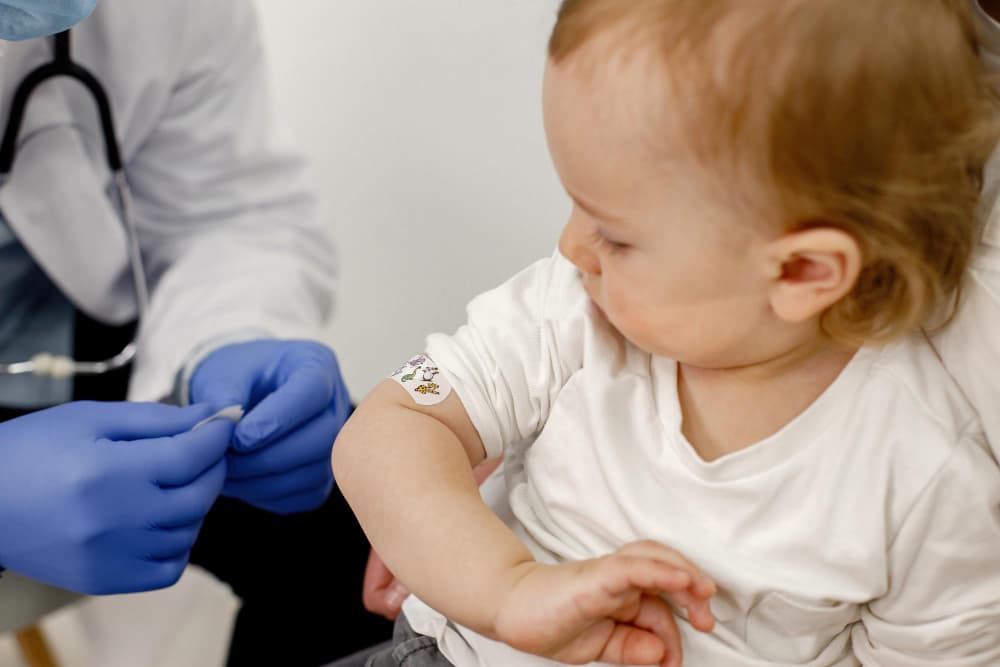
Vaccination Schedule for Infants — Stay on Track
Dr. Neil Shah4 min read
Vaccination is one of the most effective ways to protect your child from illnesses that once caused serious harm or death. Following the recommended immunisation schedule gives your baby the best start.
Why timing matters:
Vaccines are scheduled when your child’s immune system can respond effectively — and when they are most vulnerable to certain infections. Delaying vaccines without medical reason leaves gaps in protection.
Birth to 6 months:
At birth, BCG and Hepatitis B (where indicated) begin protection. At 6, 10, and 14 weeks, the primary series typically includes DPT, polio, Hib, hepatitis B, and rotavirus (as per national guidelines your doctor follows). Stay consistent with appointment dates.
6 to 12 months:
Additional doses strengthen immunity. Measles-rubella and other scheduled vaccines are given at recommended ages. Discuss any travel or local outbreak guidance with your paediatrician.
Catch-up schedules:
If your child missed vaccines due to illness or travel, catch-up schedules exist. Never assume it is too late — our OPD team can review your card and plan the safest catch-up path.
Common parent concerns:
Mild fever or fussiness after vaccination is common and usually brief. Serious reactions are rare. Tell your doctor about allergies or past reactions. Breastfeeding and comfort after the visit help your baby settle.
Bring your vaccination card to every Feathers Hospital visit. Our general paediatrics team will help you stay on track and answer questions with calm, evidence-based guidance.
Topics
- vaccination
- immunization
- infant health
- prevention
Related Articles
 Child Health
Fever in Children: When to Worry and When to Wait
Fever is one of the most common reasons parents rush to the emergency room. But not every fever needs a hospital visit. Learn when to watch at home and when to seek immediate care for your child.
Dr. Sumit Patel
4 min read
 Child Health
Child Development Milestones: 0–5 Years Explained
From first smiles to first sentences — understanding developmental milestones helps you celebrate progress and know when to discuss concerns with your paediatrician.
Dr. Sumit Patel
5 min read